
Lyrids Meteor Shower: The Oldest Meteors on Record
Lyrids peak 22–23 April with a modest ZHR of 18, but this ancient shower has a track record of sudden outbursts. Here’s how to watch it properly.
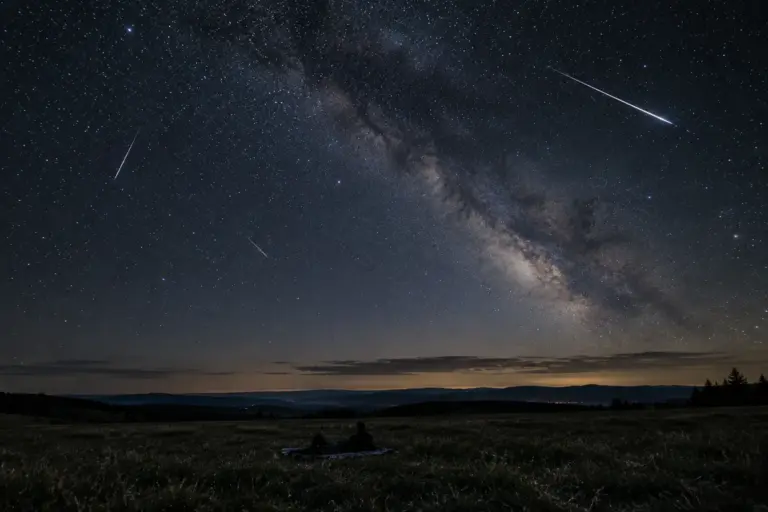
Lyrids peak 22–23 April with a modest ZHR of 18, but this ancient shower has a track record of sudden outbursts. Here’s how to watch it properly.
The Quadrantids peak 3–4 Jan with a ZHR of 80, but the window is just hours wide. Here’s how to actually catch it, not just miss it.

Uranus is a naked-eye object in a dark sky and Neptune needs binoculars. Both look like dots — here is how to find them and why it is still worth doing.
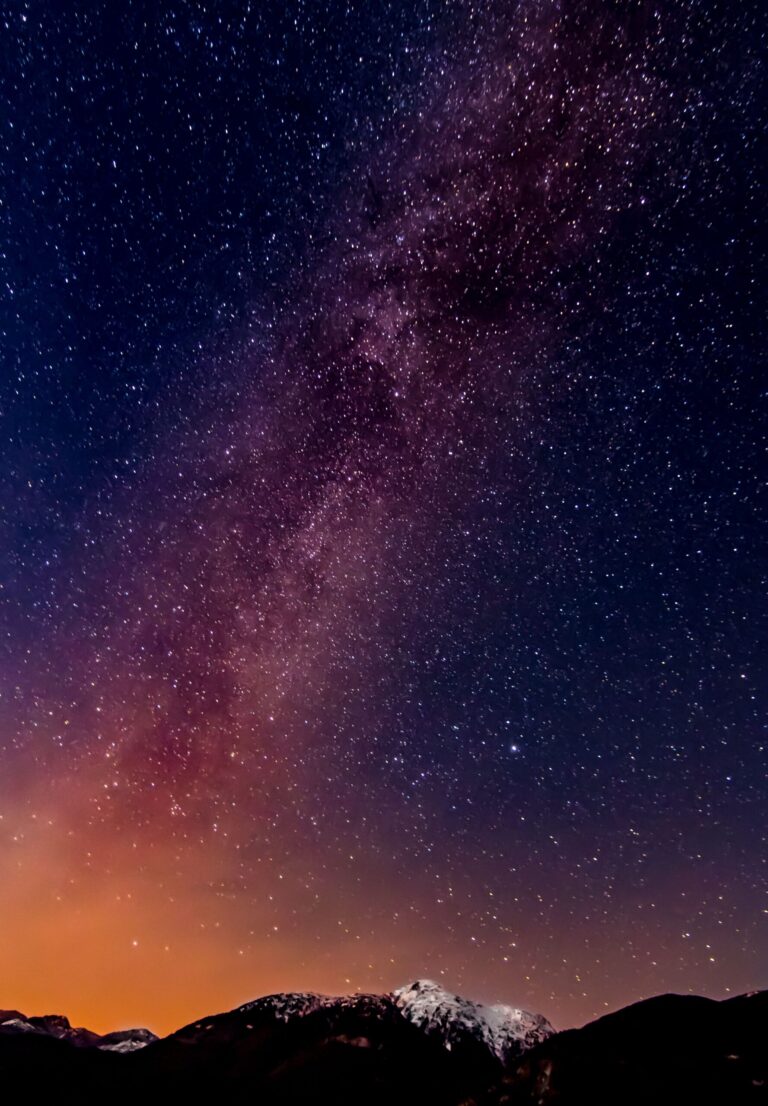
Mercury is the hardest naked-eye planet to catch. The elongation windows, where to stand, and the safety rule that matters more than any tip.

Venus goes through phases like the Moon, and any small telescope shows them. Why you will never see its surface, and why twilight beats darkness.
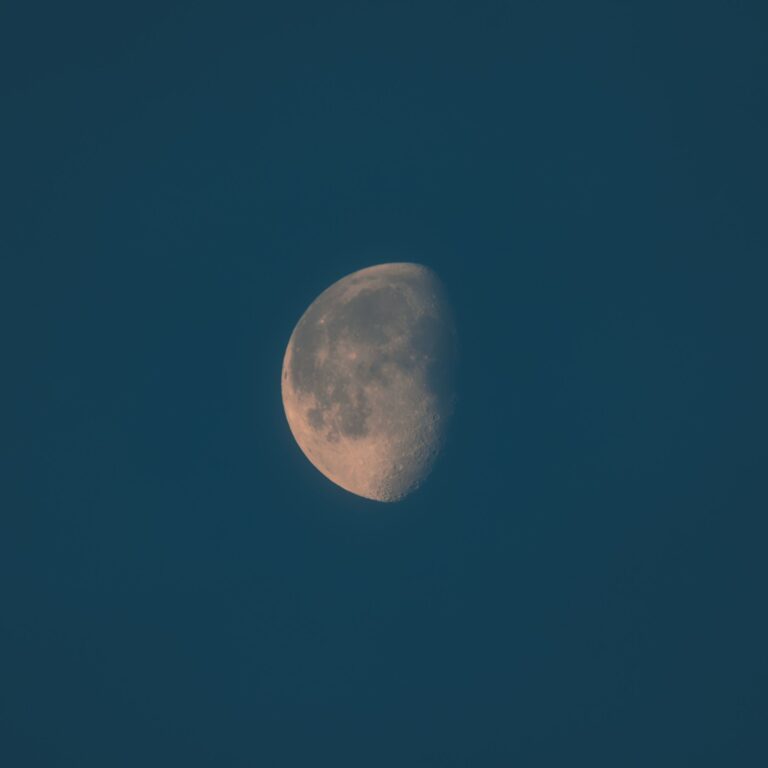
The full Moon is the worst time to look at it. Where the detail actually is, what to see phase by phase, and whether you need a moon filter.

Mars is the planet that disappoints most beginners, and it is worth knowing why before you buy. What you really see, when to look, and which oppositions matter.
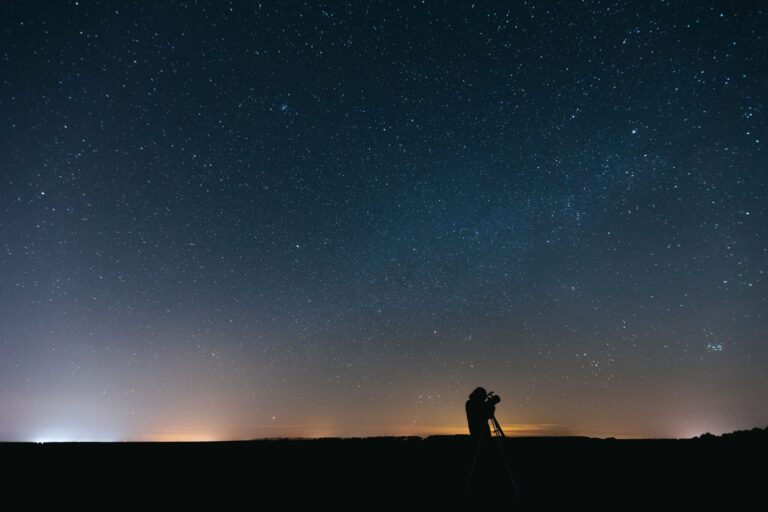
Jupiter’s moons show in binoculars and its cloud belts in a 60mm scope. What you really see, the Great Red Spot problem, and the best magnification.

Saturn’s rings are visible in almost any telescope — but Saturn is small. What you really see, what magnification to use, and when to look.