How to Observe the Moon
The full Moon is the worst time to look at it. Where the detail actually is, what to see phase by phase, and whether you need a moon filter.
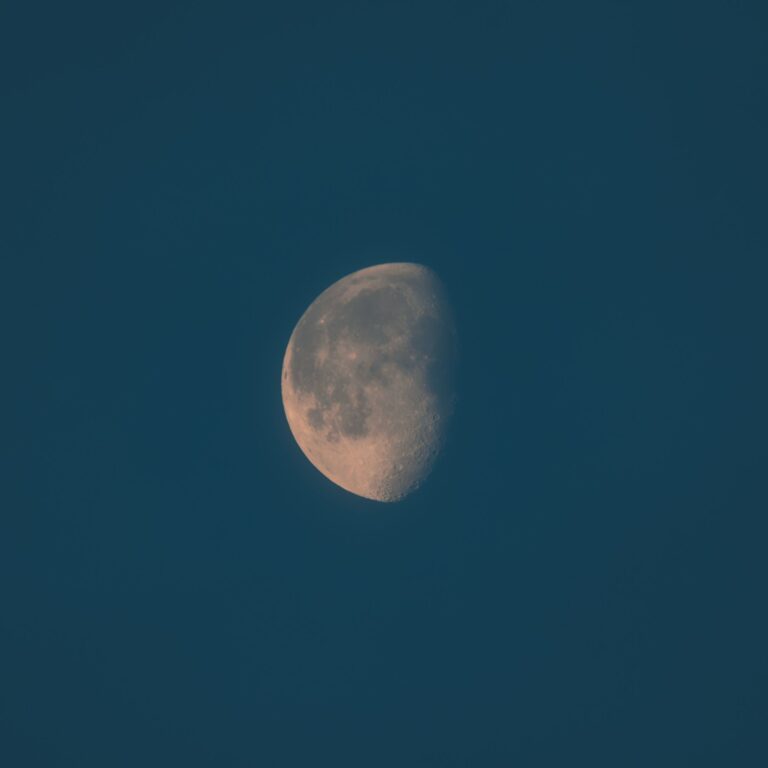
The full Moon is the worst time to look at it. Where the detail actually is, what to see phase by phase, and whether you need a moon filter.

Mars is the planet that disappoints most beginners, and it is worth knowing why before you buy. What you really see, when to look, and which oppositions matter.
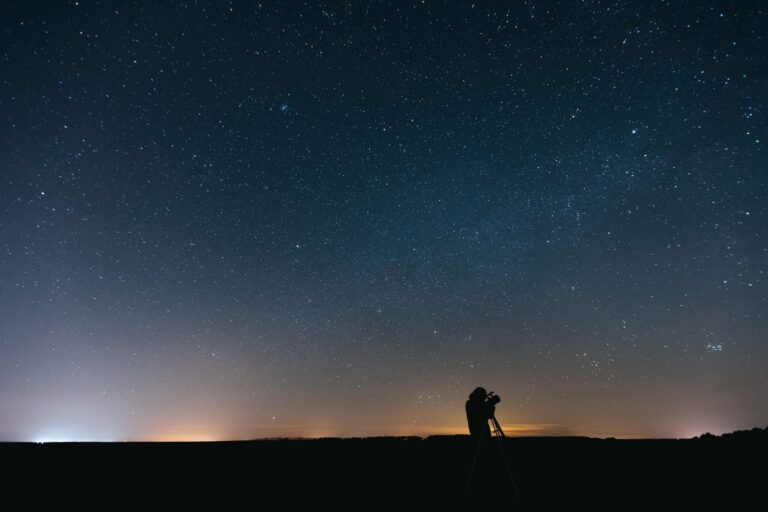
Jupiter’s moons show in binoculars and its cloud belts in a 60mm scope. What you really see, the Great Red Spot problem, and the best magnification.

Saturn’s rings are visible in almost any telescope — but Saturn is small. What you really see, what magnification to use, and when to look.

What the extra $200 over the entry tier actually buys you: aperture, a steadier mount, or navigation — you get two of the three. Five picks and the honest trade-off.

Waterproof roof-prism binoculars that work by day and by night. The exit-pupil maths that decides whether 10×42 or 8×42 suits you, and when 50mm wins instead.

A dual-axis GoTo tracker that grows into a real imaging mount. The payload figure to halve, why the tripod decides your results, and who should buy the cheaper 2i instead.

An 8-inch Dobsonian is the classic “forever scope” — if you can carry and store it. What it really shows, the two-trip problem, and the cooling time nobody mentions.

A real parabolic 130mm Newtonian with phone-guided navigation. What it shows, where the mount gives up, and who should buy the tabletop version instead.

The StarSense app is genuinely good. The telescope underneath it is a Bird-Jones with a corrector in the focuser — here is why we don’t recommend this one, and what to buy instead.