
Perseids Meteor Shower: The Best Night of the Meteor Year
The Perseids peak 12–13 August with a ZHR of 100 and frequent fireballs — the most reliable, most-watched meteor shower of the year. Here’s how to watch.
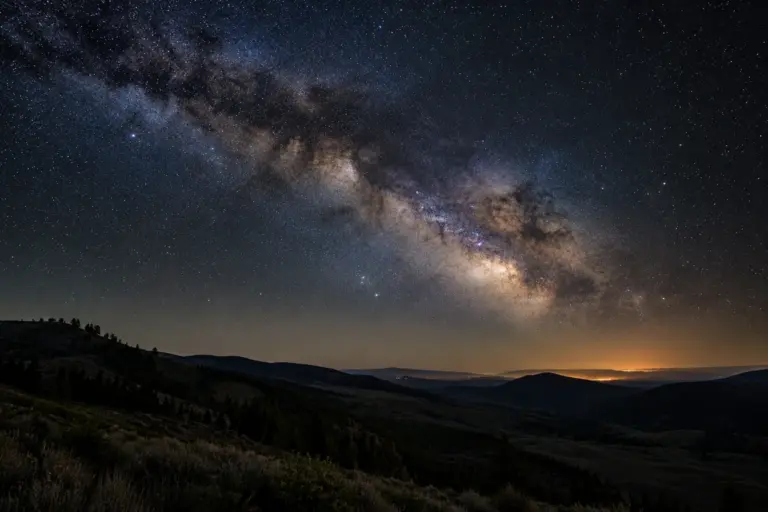
The Perseids peak 12–13 August with a ZHR of 100 and frequent fireballs — the most reliable, most-watched meteor shower of the year. Here’s how to watch.
The Orionids peak about 21 October 2026, but a bright gibbous Moon gets in the way. When to watch, where to look in Orion, and what rate to really expect.
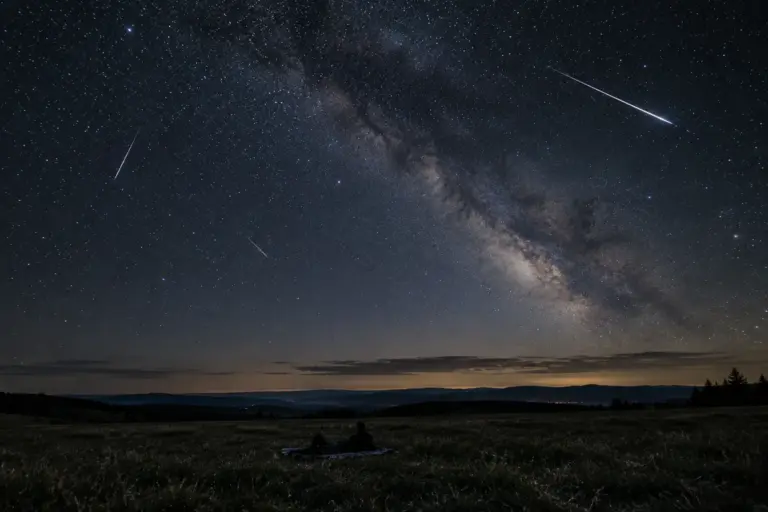
Eta Aquariids peak 5–6 May, ZHR 50, built from Halley’s Comet debris. Best in the tropics and south — here’s how northern observers still catch it.
Lyrids peak 22–23 April with a modest ZHR of 18, but this ancient shower has a track record of sudden outbursts. Here’s how to watch it properly.
The Quadrantids peak 3–4 Jan with a ZHR of 80, but the window is just hours wide. Here’s how to actually catch it, not just miss it.
Where you live changes what any telescope can show you more than the telescope itself does. How the Bortle scale works and what to do if your sky is bright.
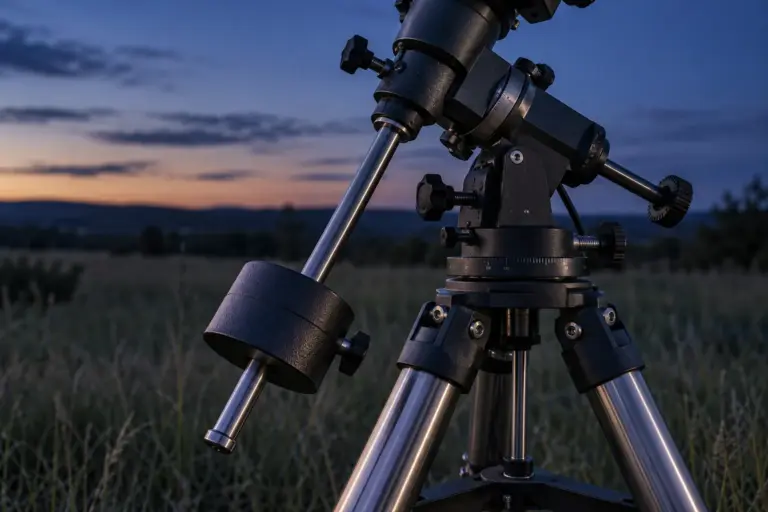
The mount decides how easy a telescope is to use night after night — often more than the optics do. What each type actually does and who it suits.

Uranus is a naked-eye object in a dark sky and Neptune needs binoculars. Both look like dots — here is how to find them and why it is still worth doing.
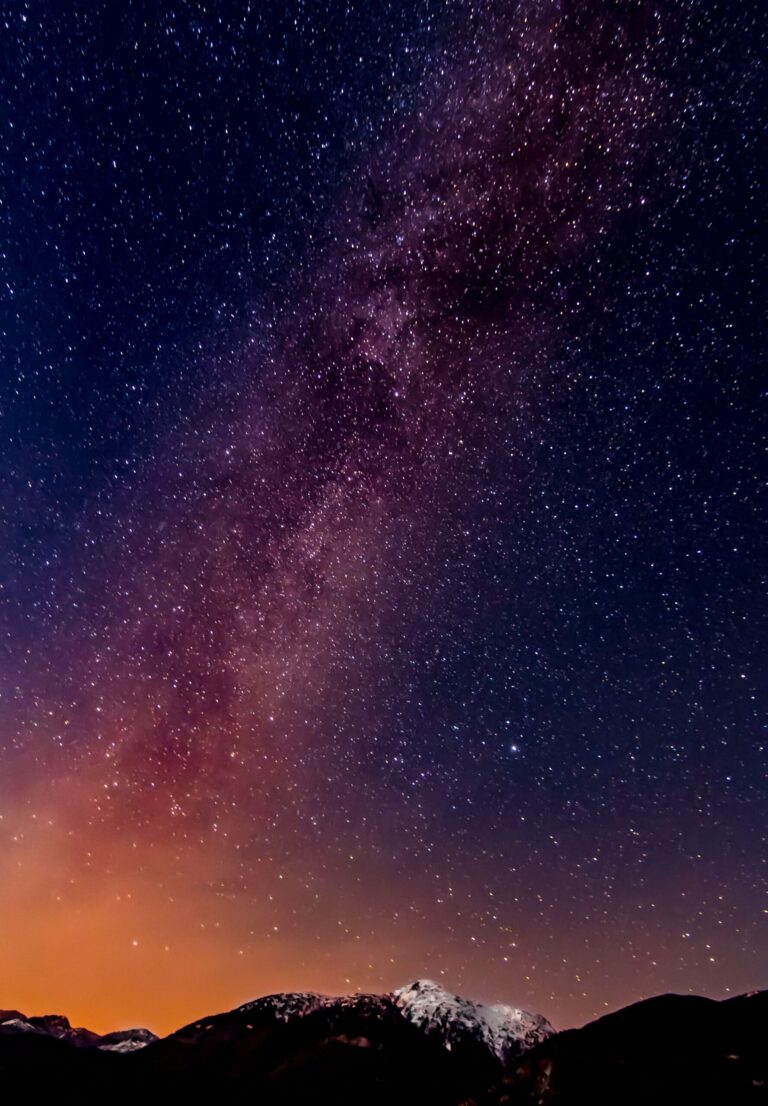
Mercury is the hardest naked-eye planet to catch. The elongation windows, where to stand, and the safety rule that matters more than any tip.

Venus goes through phases like the Moon, and any small telescope shows them. Why you will never see its surface, and why twilight beats darkness.